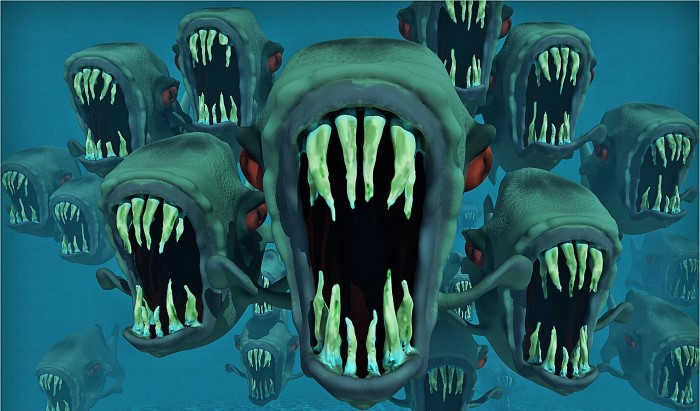
Narcissistic behavior is profoundly perplexing. One moment, the narcissist appears incredibly kind, and the next, they become furious over trivial matters. In this article, I provide examples of narcissistic behavior.
Narcissists are like “Dr Jekyll and Mr Hyde”
Narcissists can be incredibly perplexing, often likened to Dr. Jekyll and Mr. Hyde from Robert Louis Stevenson‘s novel. Dr. Jekyll, a respected physician, experiments with the duality of good and evil within human nature. His alter ego, Mr. Hyde, embodies his darker impulses, leading to heinous acts. As the story unfolds, the struggle between these personas intensifies, ultimately culminating in tragedy.
The parallels between Dr. Jekyll’s transformation and the erratic behavior of narcissists are evident. Like Dr. Jekyll’s alter ego, narcissists can swiftly shift from charm to rage, leaving others bewildered. Exploring these complexities through examples can shed light on the enigmatic nature of narcissistic behavior.

Delusions of grandeur vs being insecure
Narcissists project confidence, often boasting about their achievements while belittling others’. Genuine confidence, however, doesn’t necessitate such behavior.
True confidence allows for humility and respects others’ accomplishments. In contrast, narcissists, plagued by insecurity, perceive any critique as a personal affront.
Moreover, they crave constant attention and will resort to drama if not the focal point. Unlike confident individuals, narcissists struggle with others’ success, feeling threatened by it.
Their inability to accept criticism stems from a fragile self-image. In essence, narcissists’ behavior reflects their inner turmoil and inability to handle anything less than perfection.
Examples of narcissistic behavior
In previous articles, I discussed an openly narcissistic colleague at the museum where we volunteered. He always made everything about himself, boasting about his achievements while putting down others’.
During breaks, if he wasn’t the center of attention, he’d interrupt or grow increasingly irritable. Once, when I received a compliment on my knowledge, he belittled it by saying, “Herman only knows useless things.”
This behavior typifies narcissism. He couldn’t bear not being the focus and felt threatened by others receiving praise.
Remember: For narcissists, others’ compliments are personal insults due to deep-seated insecurities and constant need for validation.

Loving vs cruel
A narcissist may display affection, appearing friendly, helpful, and caring about your well-being. However, this behavior isn’t constant.
In an instant, they can turn hostile and paranoid, exhibiting extreme cruelty towards their victim.
Their sudden shifts stem from self-interest; when being nice serves their narcissism, they act accordingly. If they don’t get what they want, anger ensues, often deflecting by projecting their own behavior onto the victim.
Examples of narcissistic behavior
In my article “Narcissistic Mother,” I delve into the nightly scolding I endured from my mother at 11.
During that time, I had back issues, needing weekly visits to a physiotherapist. My mother guided me through evening exercises, mainly involving throwing a ball.
If anything went wrong, she’d erupt in anger, calling me a “nasty egoist.” She’d threaten, “Just wait until you get to secondary school, they will teach you that. They will beat you up!”
Her anger, accompanied by aggressive gestures, became a dayly ordeal.
Back then, I couldn’t grasp the reason behind her behavior or how to stop it. Even now, understanding her disturbed mindset remains challenging.

Narcissistic supply
She likely expected some form of narcissistic supply from me. Perhaps she anticipated my overflowing gratitude for her nightly attention.
Or maybe she wanted me to throw the ball back enthusiastically. But her actions had the opposite effect on me. I knew she’d scold me again, so I was stressed and tense beforehand.
Her relentless name-calling every evening speaks volumes about her narcissistic behavior. Calling me an egoist made no sense; she projected her own traits onto me.
Confronting her about this as an adult only made her furious. Ultimately, I cut off all contact with her in early 2015.
Remember: A narcissist rarely takes responsibility for their actions; they often blame others for their behavior.

Sincerity vs pathological lying
A narcissist has the uncanny ability to gaze into your eyes and feign sincerity and empathy. They’re skilled at mirroring your body language, making you feel understood.
But their words lack genuine meaning. In truth, they’re manipulating you to serve their agenda: psychological abuse to feed their narcissism.
They’ll do anything to achieve this, often resorting to lies without regard for truth. Narcissists are habitual liars, honing this skill from a young age.
To expose them, observe their long-term behavior; it often contradicts their words. While they may preach morality, their actions reveal immorality.
Actions speak louder than words; don’t rely on what a narcissist says, but on what they do!
Examples of narcissistic behavior
A prime example is the phenomenon known as “love bombing” at the outset of a relationship with a narcissist. They shower you with affection, making you believe you’ve found “the one.”
However, their true aim is to exploit you for narcissistic supply. Once they feel they have you under their control, the “love bombing” abruptly ceases, and the abuse commences.
Displaying Social Behavior vs. Seeking Narcissistic Supply
Many narcissists present themselves as community-oriented, often through volunteer work.
Previously, I mentioned a narcissistic colleague in a volunteer setting. Similarly, my narcissistic mother engaged in volunteer work, where she targeted her next victim. Initially, it seemed like a shared passion.
However, she soon initiated conflict, leading to their departure from the volunteer work. This behavior is classic narcissism: isolating the victim and depriving them of enjoyment.
The outward appearance of community commitment can be deceiving to those unfamiliar with narcissistic personality disorder. While they may seem altruistic in public, at home, these individuals can be monstrous, terrorizing their families in private. Unfortunately, such abuse often goes unnoticed by others, leaving victims disbelieved.

Examples of narcissistic behavior
In reality, narcissists only seek to fulfill their own needs. Take, for instance, the colleague mentioned earlier at the museum. From the outset, he boasted about his achievements at another museum.
Later, I learned he left that museum under unpleasant circumstances. Apparently, they saw through him or he no longer received the admiration he craved.
At our museum, however, he found what he sought, with the director lavishing praise upon him. Yet, his colleagues mocked his behavior behind his back.
This narcissistic colleague also had a girlfriend until they broke up. Predictably, he portrayed himself as the victim afterward.
Now, I believe she was the true victim, freeing herself from his manipulation. However, in the museum, he painted her as the villain.
Vulnerable vs impervious
Sometimes, narcissists seem vulnerable, showing apparent self-reflection and remorse. This can deceive empathetic individuals into wanting to help them to become a healthy and functional person.
However, it’s merely manipulation. Narcissists are adept at acting this way to maintain their emotional abuse. In truth, they’re unstable, needing constant validation to uphold their fragile ego. Once they’ve manipulated you, they continue their harmful behavior.
Confronting a narcissist reveals their impenetrable nature—they reject your arguments, rigidly sticking to their warped perspective. Their sole focus is preserving their self-image, making genuine relationships impossible.
Remember: Narcissists prioritize winning above all else. Happiness holds little value to them, as everything centers around their crafted self-image. They obsess over it constantly, making it an unhealthy foundation for any relationship.

Examples of narcissistic behavior
In the previously mentioned article “Narcissistic Mother,” I delve into the tumultuous period of my parents’ divorce. Amidst the chaos, my narcissistic mother perpetually stirred up drama while trying to make my father’s life miserable.
Each time I visited him, she unleashed her fury upon me, especially when I defended my father, provoking even more narcissistic rage.
Yet, there was a moment when she seemed vulnerable. Through tear-filled eyes, she exclaimed, “Can you imagine being married to him for 20 years, only to be consumed by hatred and envy?” As a 16-year-old, I believed I glimpsed her true self, thinking her anger wasn’t genuine. Now, I realize it’s quite the opposite.
That evening, when I visited my father, he vented his frustrations on me. He repeated, “Your mother has no feelings”, despite my belief that I had witnessed her true emotions earlier that day.
Almost brought to tears, I countered, “Mom does have feelings, but she doesn’t show them”. Sadly, my attempt only fueled his anger. Instead of sympathy, I faced criticism from him too. His retort? “Then you can say she has feelings… Yes, like a polar bear!”
Right, but wrong…
As an adult, I realize that Dad was correct about Mom lacking empathy. I had been manipulated into believing she was being vulnerable. However, Dad’s harsh approach was also painful, especially at 16. “Hurt people hurt people”…
[course_description style=”1″ icon=”155.png” icon_folder=”feature_block” image=”” title=”Free%20yourself%20from%20Narcissistic%20Abuse” content=”PHA+QXJlIHlvdSBsb29raW5nIHRvIGJyZWFrIGZyZWUgZnJvbSB0aGUgY29uc3RyYWludHMgb2YgbmFyY2lzc2lzdGljIGFidXNlIGFuZCByZWdhaW4gY29udHJvbCBvZiB5b3VyIGxpZmU/PC9wPgo8cD5UYWtlIHRoZSBmaXJzdCBzdGVwIHdpdGggdGhlICIzMC1EYXkgTmFyY2lzc2lzbSBGcmVlIENoYWxsZW5nZSIhPC9wPgo8cD48c3Ryb25nPjxhIGhyZWY9Imh0dHBzOi8vd3d3LnVubWFza2luZ25hcmNpc3Npc20uY29tLzMwLWRheS1uYXJjaXNzaXNtLWZyZWUtY2hhbGxlbmdlLyI+Rm9yIG1vcmUgZGV0YWlscywgY2xpY2sgaGVyZSAmZ3Q7Jmd0OzwvYT48L3N0cm9uZz48L3A+Cg==”][/course_description]
That wraps up this article showcasing examples of narcissistic behavior and the various facets of narcissists. Have any additional thoughts or comments? Feel free to share them in the comments section below. Remember, knowledge is power!